






UTA’s Heating Technology course enables students to gain not only theory behind gas heating systems but the confidence for proper diagnosing
This course teaches a systematic approach to inspecting and diagnosing gas heating systems, with a focus on the safety concerns related to gas heating equipment. Technicians will learn troubleshooting skills for ignition controls, circuit boards and airflow. UTA has a large selection of “live” operational gas furnaces for student education.
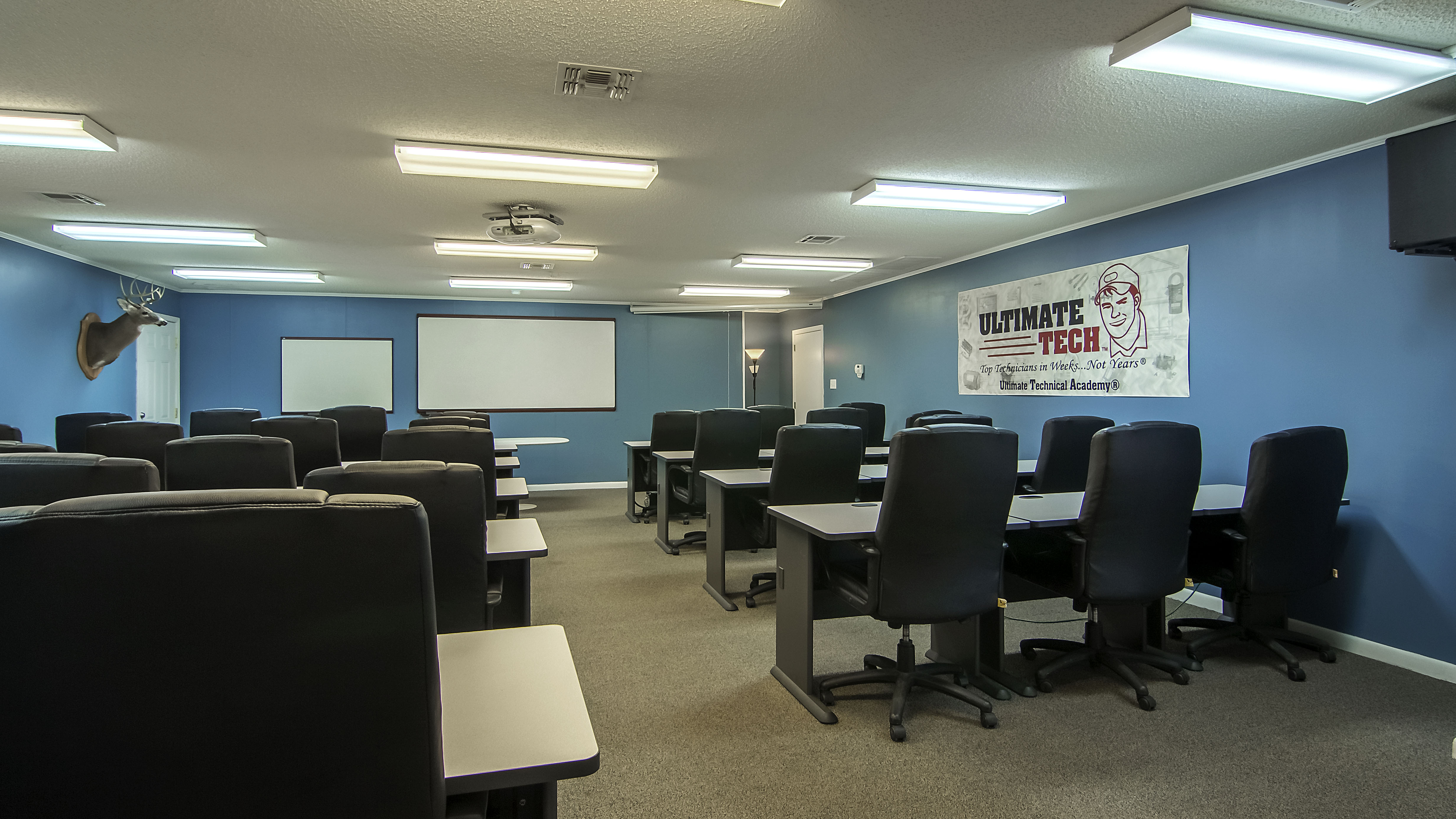
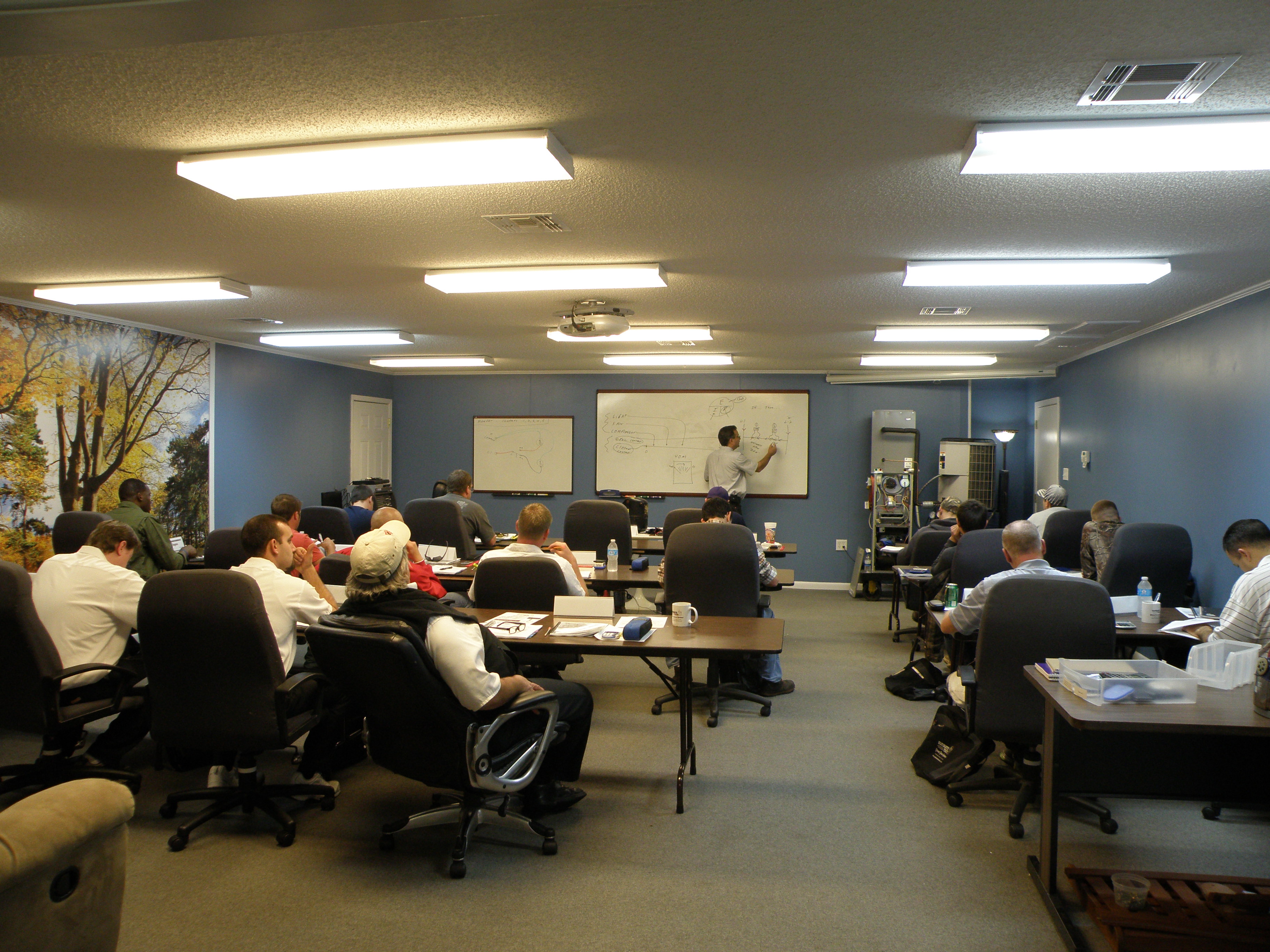
Students work individually so, regardless of experience, they progress at their own rate. A low student to instructor ratio allows each technician to receive adequate “one-on-one” training necessary for the best lab experience. Students will spend approximately one-third of their time in the classroom learning theory and two-tirds of their time in lab performing hands-on projects. When technicians return to work they are able to put what they have learned into action resulting in an increase in productivity and efficiency.
Topics Covered in Course:
- Heat exchanger testing using “state of the art” cameras.
- The combustion process & the requirements to ensure a safe & clean burning system.
- Different types of heat exchanger designs & venting systems.
- Improper combustion air and inadequate venting systems.
- The 17 most popular ignition systems and the 5 most popular furnace system controls.
- Principals of Airflow and basic duct system design. Techs will diagnose duct system problems using Static Pressures.
- Determine the sequence of operation for different types of gas or LP heating unit.
- Set-up and adjust heat anticipators, blower speeds and fan cycling.
- Conduct flue gas carbon monoxide test, as well as measuring combustion efficiency.
- Properly and thoroughly inspect heat exchangers.
- Proper methods for explaining the dangers related to cracked chambers to clients.
- Creation and application of complete wiring diagrams for gas furnaces.
- Fundamentals and application of oil heating/burning for set up and adjustment.
- Application of Fundamental Hydronics.
- Heating Tune-Ups.
All students are given the opportunity to take the NATE Core and Heating Exam at a cost of $150.00 per exam.
Beginning (Novice) Techs:
- Furnace inspections including: Heat Exchanger and Maintenance Procedures.
- Light Service Diagnostics
Note: It is recommended that new and intermediate techs should UTA’s Electrical Technology course, or have other prior electrical training.
Intermediate Techs:
- Furnace inspections including: Heat Exchanger and Maintenance Procedures
- Light Service Diagnostics
Note: It is recommended that new and intermediate techs attend UTA's Electrical Technology course, or have prior electrical experience.
Skilled Techs:
- Easily cut diagnostic times in half.
- Reduce recalls & warranty work.
- Increase billable hours.
- Accurately diagnose difficult problems without replacing unnecessary parts.
The education and performance expectations listed above are based on each student’s individual knowledge, experience and dedication to learning.
Cost per week:
Tuition: $1199.00
Material/Lab/Lunch Fee: $451.00
Total: $1650.00